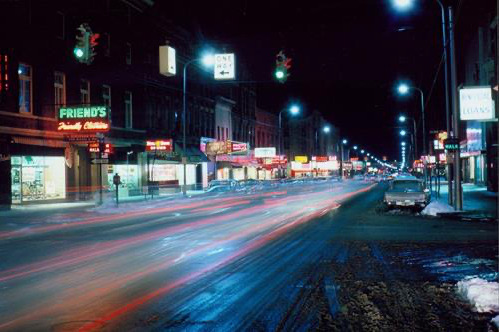
Downtown Muskegon on Western Avenue, 1964. Businesses and lending institutions including Beneficial Financial, the white sign at right, faced pressure from community activists calling for fair hiring and housing practices during the Civil Rights Movement.
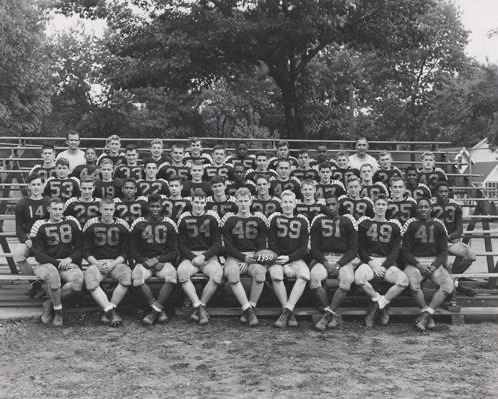
Sports offered an avenue for recreation and participation in larger community social events. This image of the 1950 Muskegon Heights High School football team reflects the challenges of integration in a city that was by that time already a quarter Black.
Lakeshore Museum (Final). “Muskegon Heights 1950 Football Team.” Accessed September 25, 2025. https://5091.sydneyplus.com/final/Portal/Default.aspx?component=AAAS&record=e2d7e2a6-61a2-4df1-99d2-67798ba892fb.
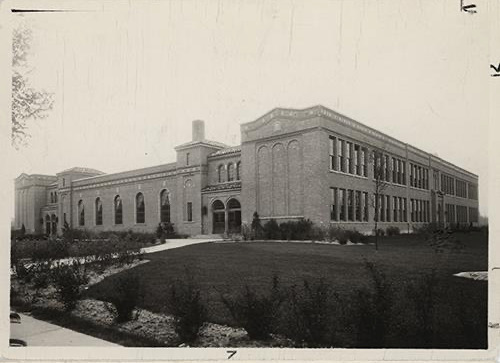
Located in the Jackson Hills neighborhood, Froebel School was a center for parent activism to both improve course offerings and curriculum and to keep the school in the predominantly Black community.
Lakeshore Museum (Final). “Froebel School.” Accessed September 25, 2025. https://5091.sydneyplus.com/final/Portal/Default.aspx?component=AAAS&record=b1fa5d77-1561-483e-9eae-2815f2cbe032.
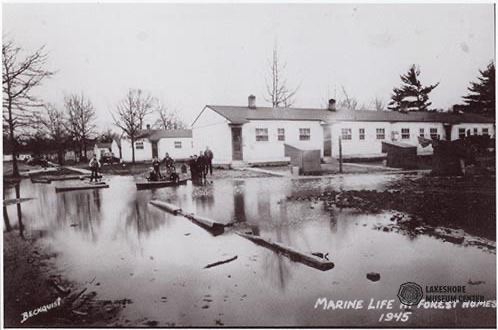
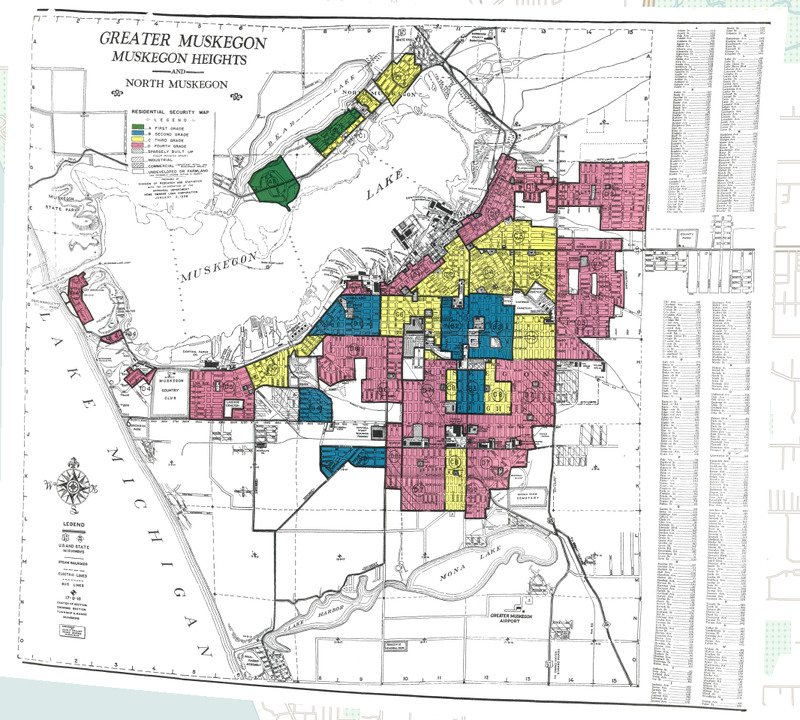
During World War II four large housing projects were built as an effort to address the chronic housing shortage. In Muskegon and Muskegon Heights. Quickly constructed, with poor quality, and in marginal sites, the developments also continued the area’s pattern of segregation.
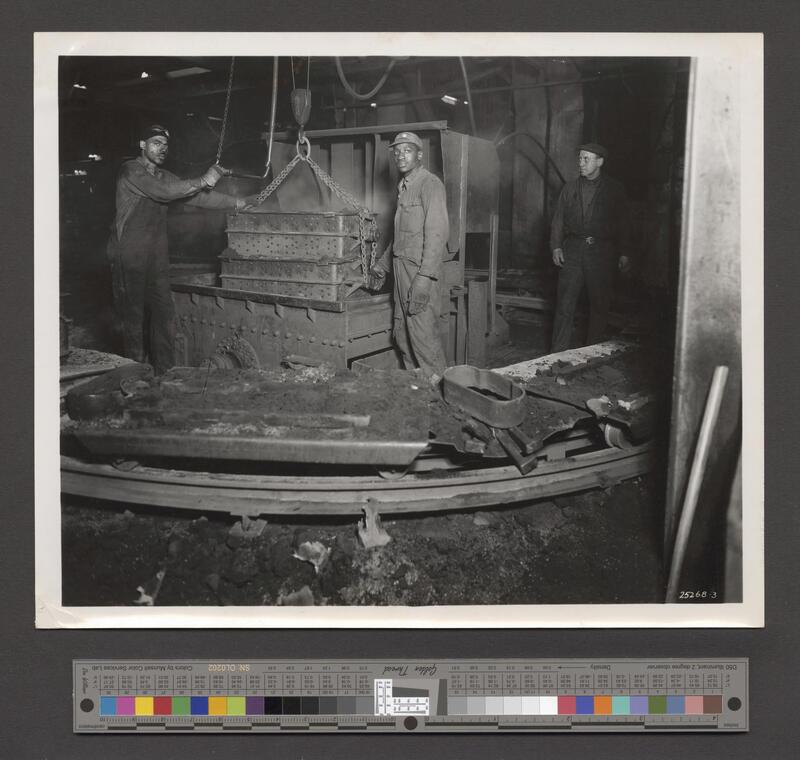
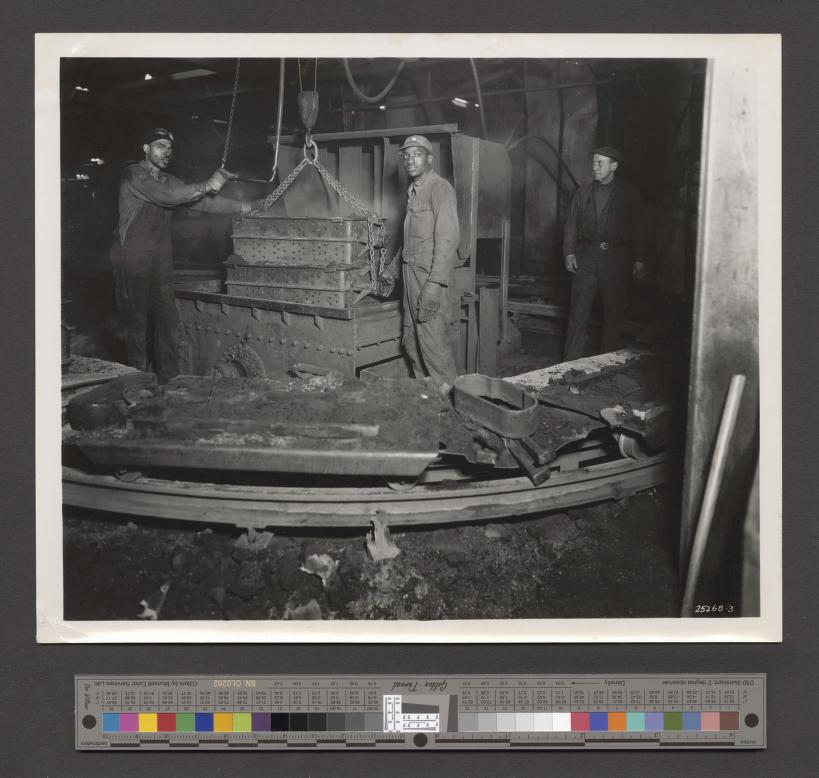
Work in Muskegon’s foundries offered both opportunity for industrial work but within a difficult environment. Two men working at the Campbell, Wyant, & Cannon foundry, Muskegon, Michigan.
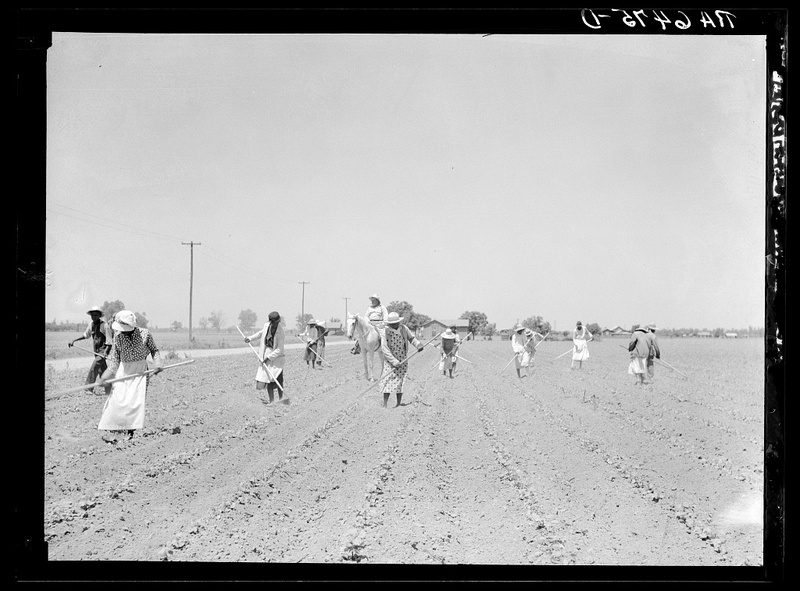
Though mechanization had started, most cotton cultivation in the South consisted of large-scale gang labor under the watchful eye of an overseer. The Great Depression’s crushing economic crisis made life as a sharecropper or tenant farmer even more difficult.
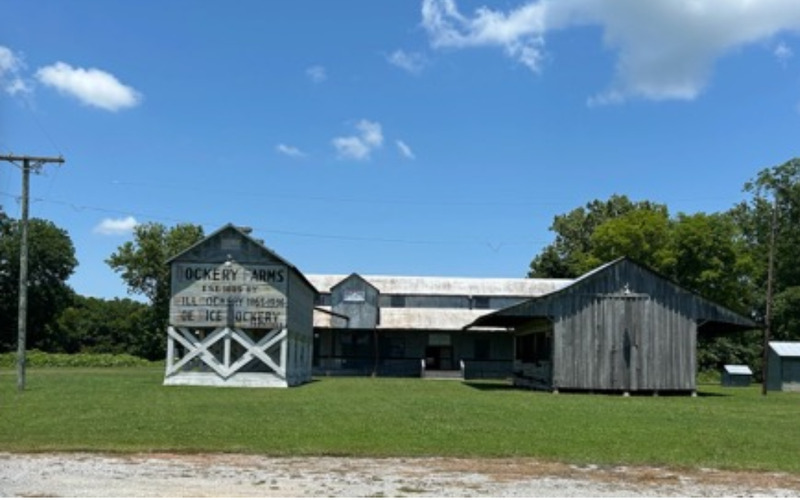
Dockery Farms, Sunflower County, Mississippi, between Ruleville and Cleveland shows the scale of cotton agriculture in the Mississippi Delta during the early 20th century. It was also a site that contributed to the creation of blues music.
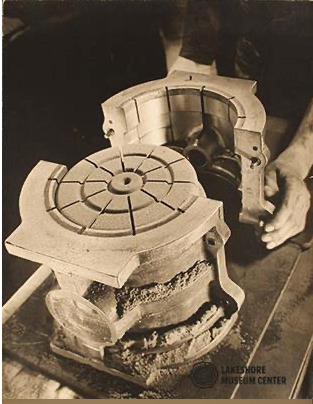
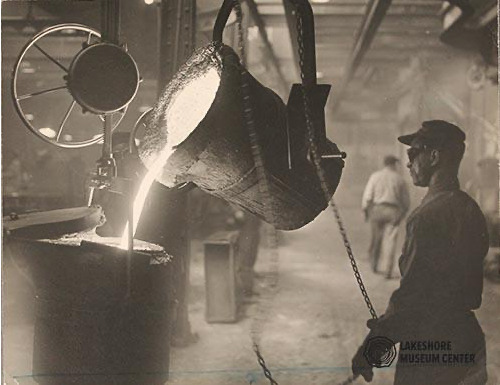
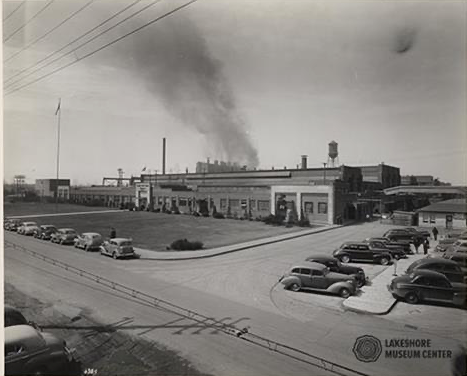
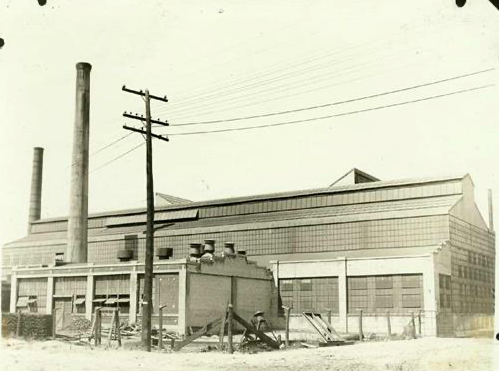
Campbell, Wyant, & Cannon Foundry provided a range of cast items for the automobile and other industries, and remains under its present-day ownership as a major employer for the region.
One of the earliest large-scale foundries, Lakey provided most of the castings for Continental Motor’s engine production. It would also become a center for African-American employment and for the residents of the Jackson Hills neighborhood.
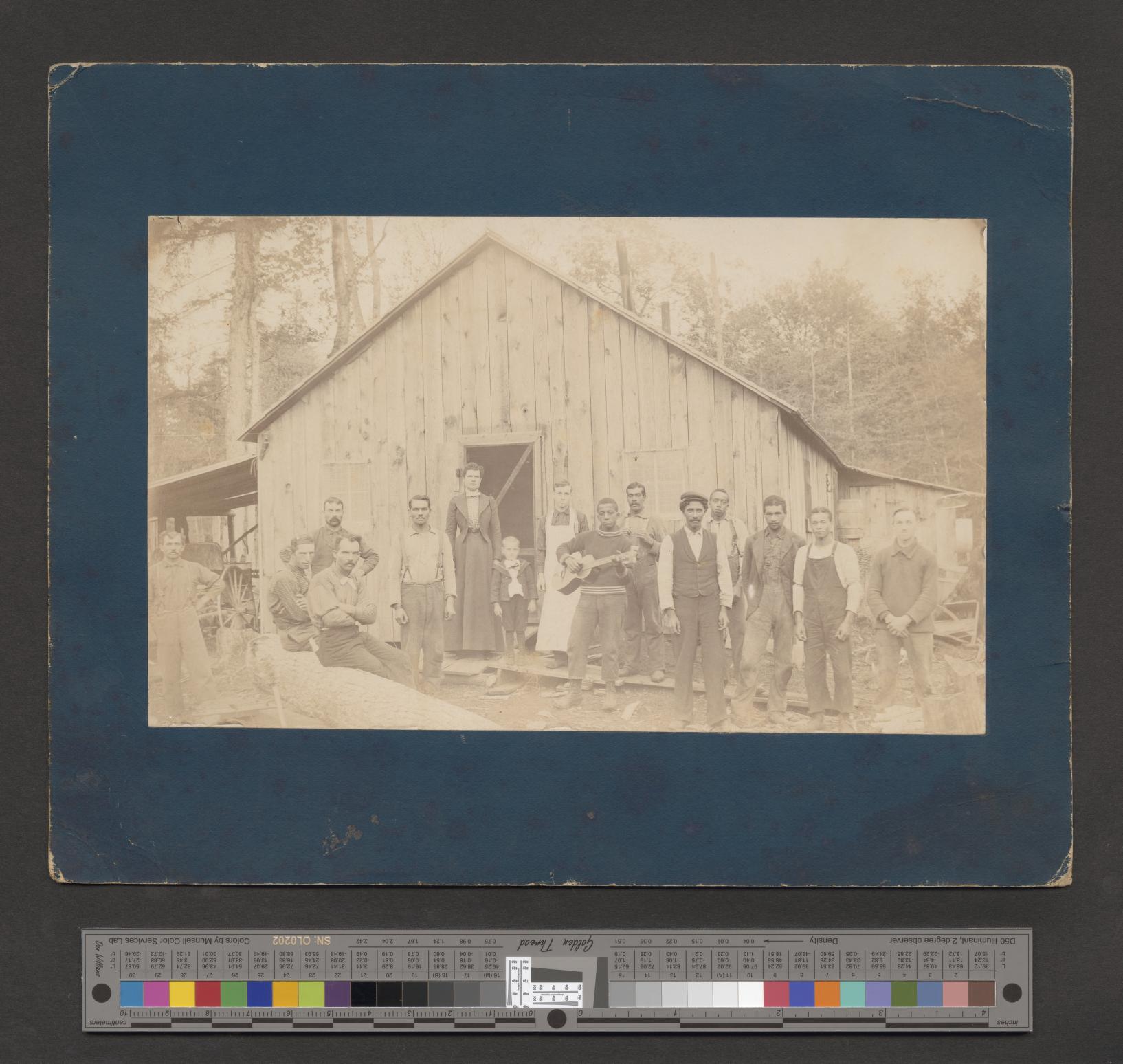
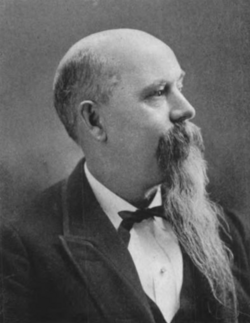
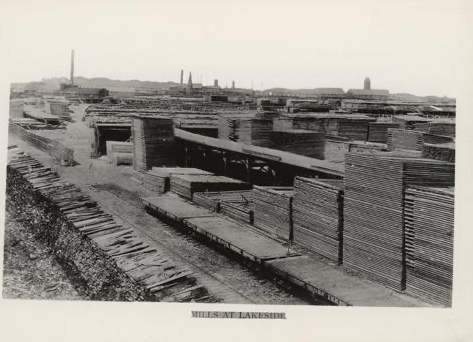
Charles Hackley (1837-1905) transitioned from being a hugely successful lumberman to philanthropist and town builder as he worked to remake Muskegon into an industrial center.
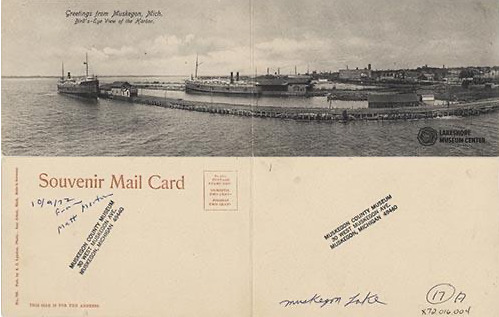
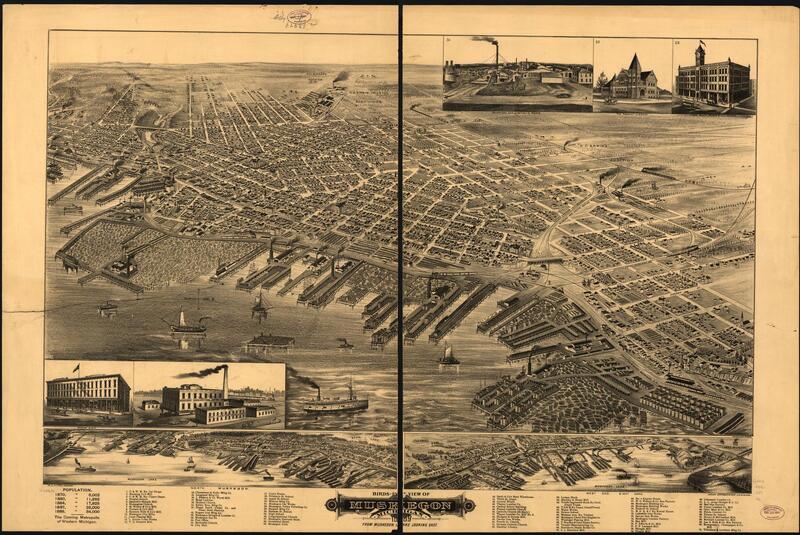
Muskegon Lake provided the city with a deep-water port that accommodated both the demands of the lumber industry and an avenue for passengers and freight.
Work in Muskegon’s foundries offered both opportunity for industrial work but within a difficult environment. Two men working at the Campbell, Wyant, & Cannon foundry, Muskegon, Michigan.