Industrial Towns
|
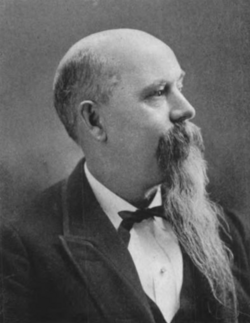
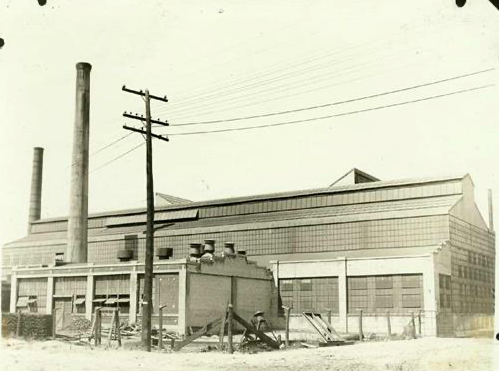
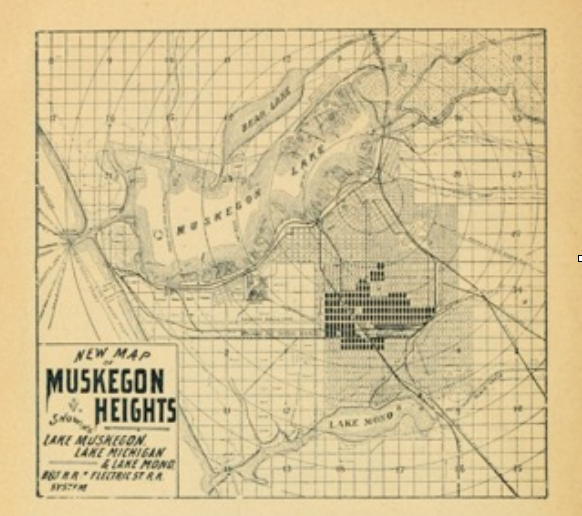
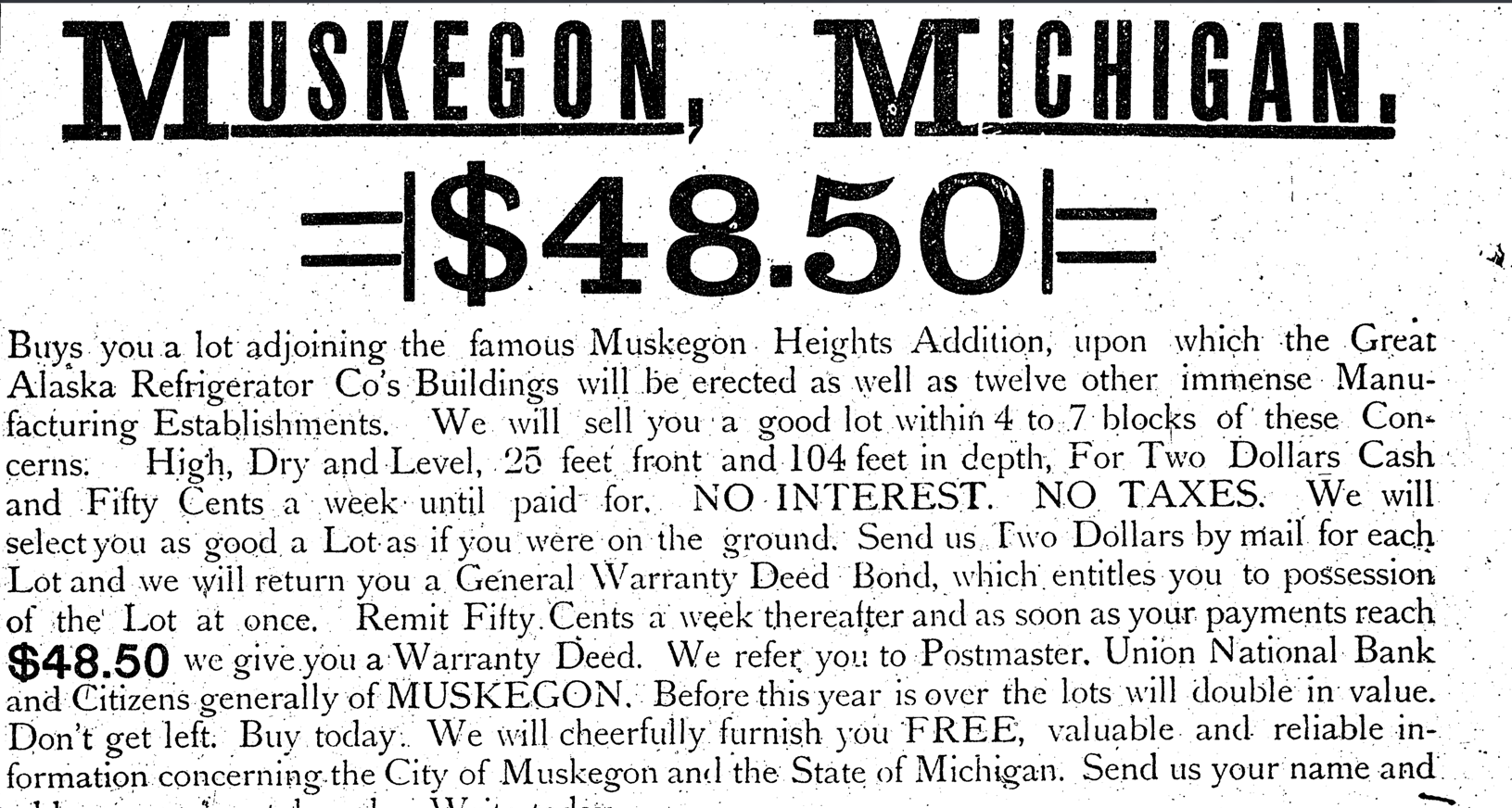
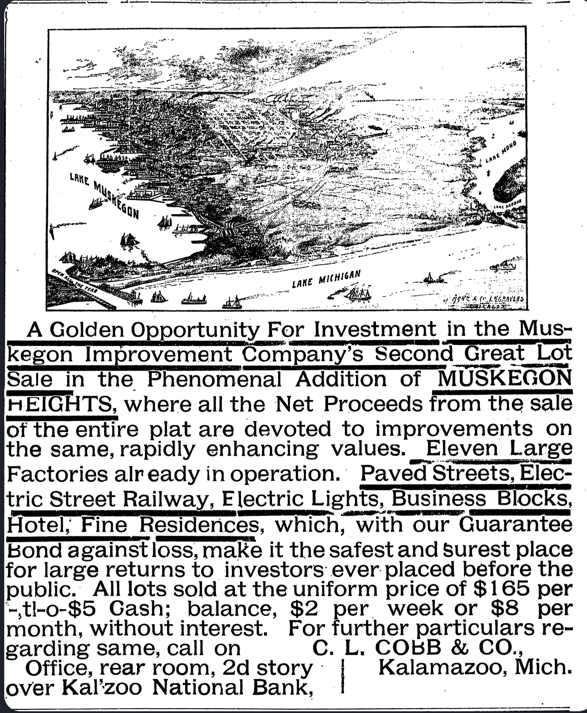
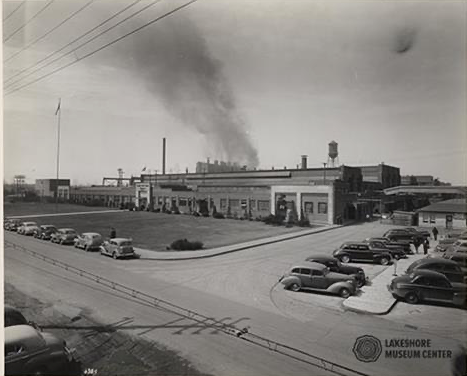
Industrial town Along with others, lumberman Charles Hackley helped to establish a development fund that would foster local and draw external firms to Muskegon. A series of publicly funded investment bond would serve as an enticement for companies looking to expand or start-up by supporting new plants and property. Hackley’s initial donation aided in creating new schools, public infrastructure, and the basis for the development fund. Additional sets of bonds were issued in 1893, 1903, and 1910. The result was dozens of new manufacturers coming to the city and expansion of existing firms that had supported the lumbering industry. The vast quantities of fine sand drew numerous metal foundries. These had been producing tools and equipment but now transitioned into castings for larger products. Other manufacturers building pianos, cabinets, glass, and carriages also build in the city where the lumber had once stood. Furniture, including the Shaw-Walker Company and paper products also continued the area’s wood-based industries. To further enhance the area’s industrial growth, Hackley, Lyman Mason, and others formed the Muskegon Improvement Company in 1889. On a thousand-acre parcel, the syndicate platted a city designed for industry with a corridor along the major rail lines, streets, running water, and a streetcar line. With backing from additional development funds to spur development, the new village of Muskegon Heights had industry at its heart from the start. Firms here would include Campbell, Wyan, and Cannon Foundry, the Shaw Electric Crane Company, and Sealed Power company along with small machine shops and tool and die makers. Growth for both Muskegon and Muskegon Heights proved uneven until the wartime demand from World War I would provide the stability that leaders had hoped for. This growth also meant a greater need for workers, particularly in the challenging work conditions in the city’s heavy industries.
|